
Chocolate
-
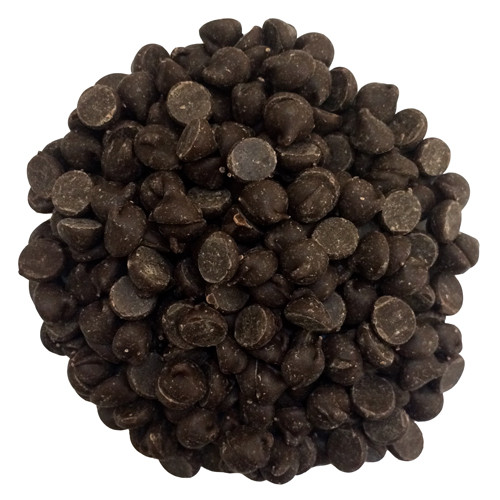
Barry Callebaut Sugar Free Dark Chocolate Chips
Barry Callebaut
$17.99Sugar Free Dark Chocolate Chips - Healthy 4M Mini Chips from Barry Callebaut ChocolatierMade from Unsweetened Chocolate, Cocoa Butter, Milk Powder, Natural Vanilla FlavorSweetened with Maltitol for...parentBQAI$17.99 -

 $19.99
 -
 $11.99
 -
 $13.99
 -
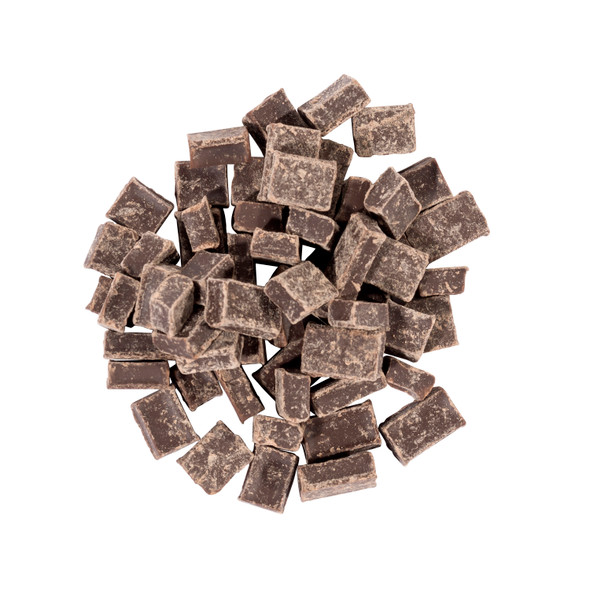

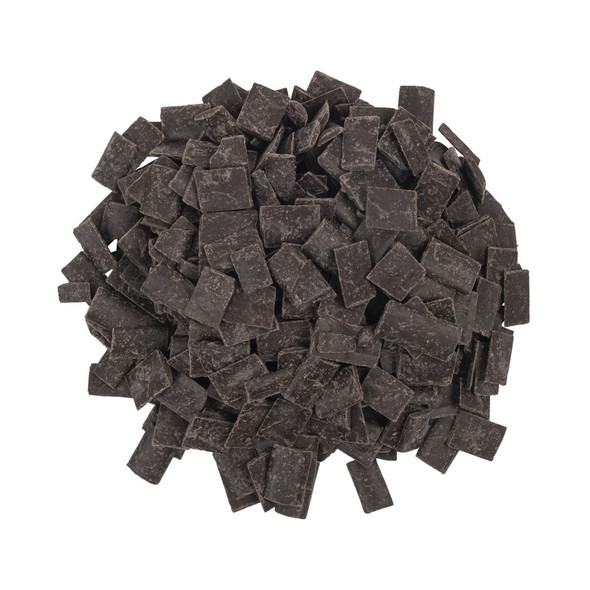
Barry Callebaut 70102 Semi Sweet Dark Chocolate Chunks
Barry Callebaut
$12.99Barry Callebaut Semi Sweet Dark Chunks - Premium Chocolate Couverture Morsels for Baking, Decorating, Confectionery<parentDDA$12.99 -
 $12.99
 -
 $12.99
 -
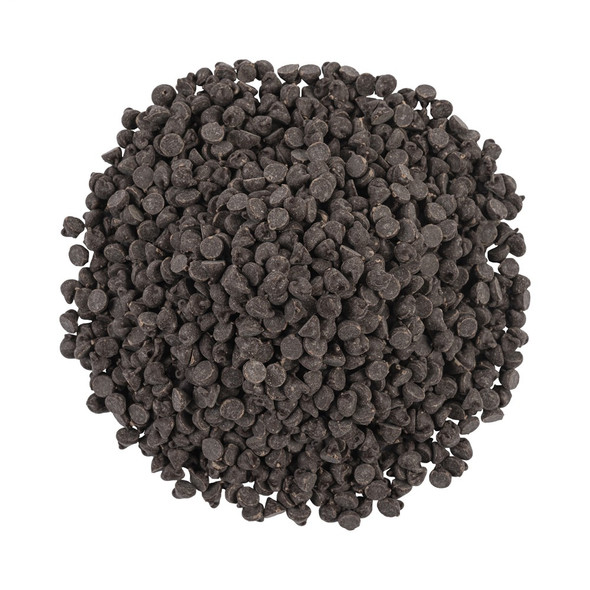

Semisweet Chocolate Mini Baking Chips
OliveNation
$12.99Mini Dark Chocolate Chips for Dipping, Baking, Topping, GarnishingReal Chocolate with Rich Semisweet TaParentDAXC$12.99 -
 $13.99
 -
 $16.99
 -
 $9.99
$9.99 -
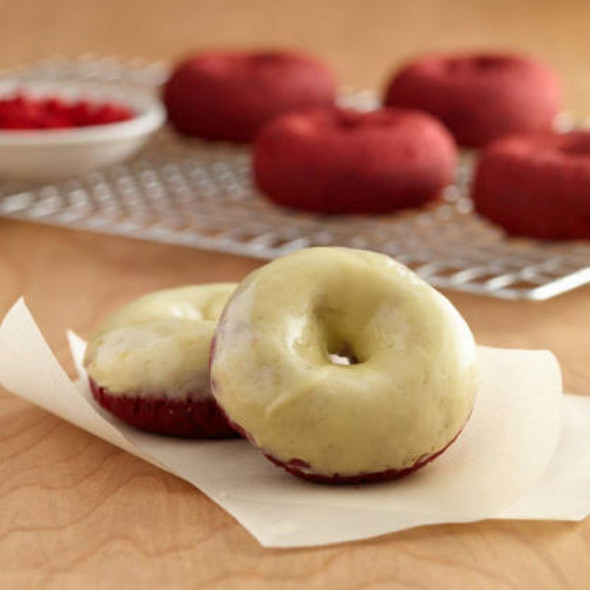 $9.99
$9.99 -
 $4.99
$4.99 -

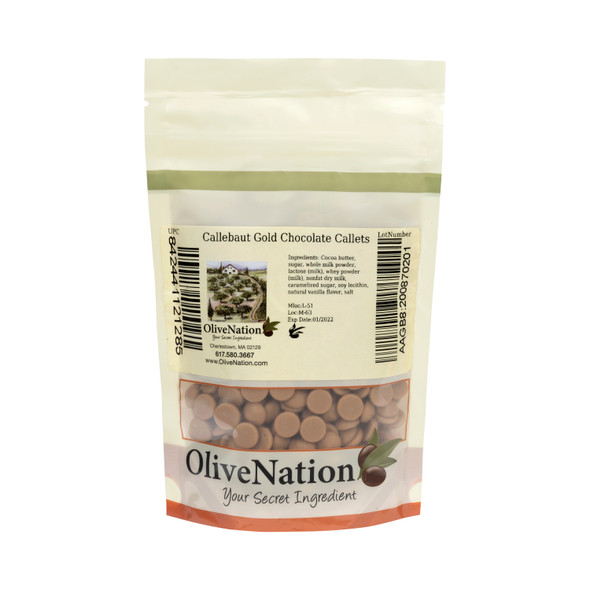
Callebaut Gold Chocolate Callets
Callebaut
$18.99Callebaut Gold Chocolate Callets - White Chocolate with Caramelized FlavorPremium Belgian CoparentAAGB$18.99 -

 $6.99
$6.99 -

 $31.99
 -
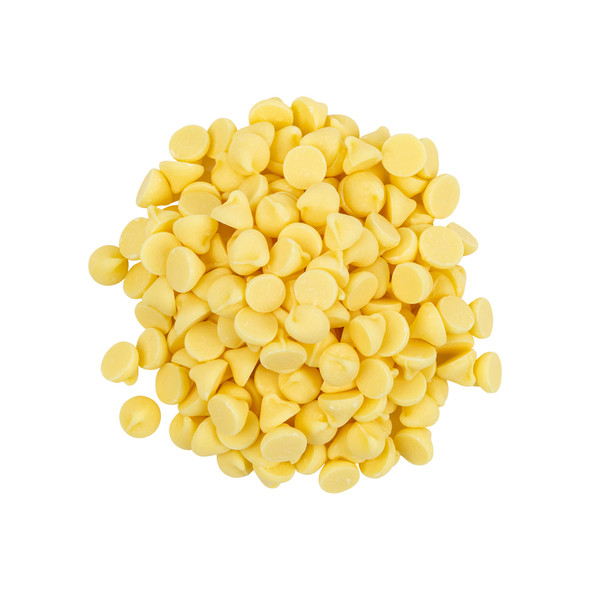
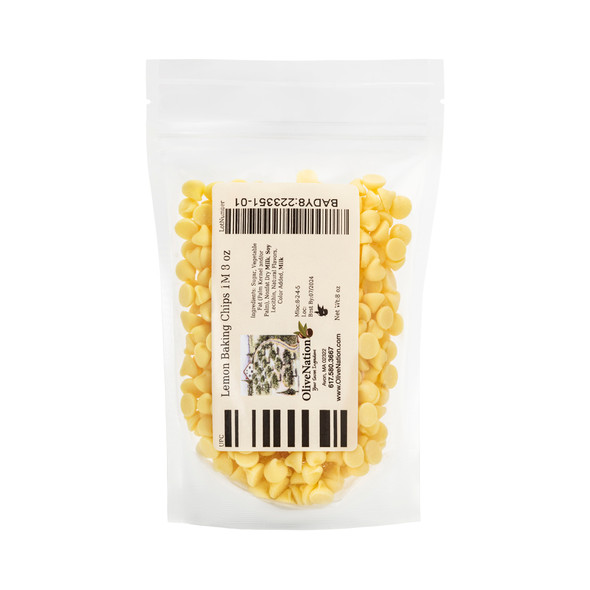
Lemon Baking Chips
OliveNation
$11.99Lemon Chips – Brightly Colored Citrus Flavor Morsels for Baking, Topping, SnackingColorful Confectionery Drops Made with Sugar, Palm Kernel Oil, Natural Vanilla Extract, Whole Milk PowderLemon Flavor...parentBADY$11.99 -
 $15.99
 -
 $15.99
 -
 $24.99
 -
 $23.38
 -
 $10.99
 -
 $12.99
 -

 $14.99
 -
 $17.99
 -

 $14.99
 -
 $14.99
 -
 $9.99
$9.99 -

 $14.99
 -

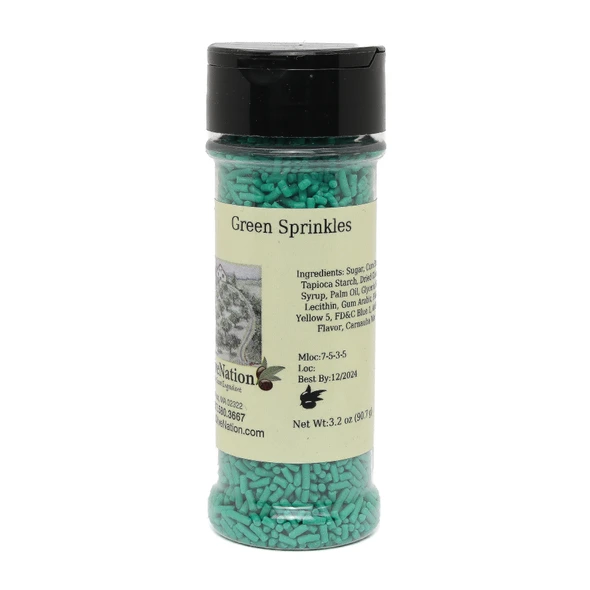
Mint Baking Chips
OliveNation
$9.99Mini Mint Chocolate Chips for Baking, Decorating, Snacking, ToppingBake Stable Compound Chocolate with Fresh Minty TasteSmall 4M Size Perfect for Cookies, Ice Cream, CupcakesGreen Colored with Flecks...parentAACV$9.99 -
 $17.99
 -
 $17.99
 -

 $12.99
 -

 $10.99
 -

Valrhona Inspiration Passion Fruit Couverture
Valrhona
$28.99Valrhona Passion Fruit Inspiration – Fruit-Based Couverture Chocolate for Baking & ConfectioneryPassion Fruit Flavor Chocolate from All Natural IngredientsDelicious Tangy, Sweet Flavor & Aroma,...parentAAFD$28.99 -

 $9.99
$9.99 -

 $13.99
 -
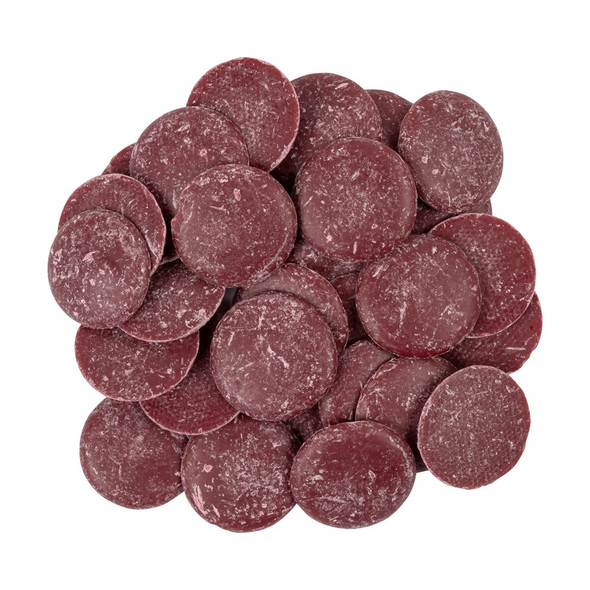

Valrhona Inspiration Raspberry Fruit Couverture
Valrhona
$29.99Valrhona Raspberry Fruit Couverture - Disks for Baking & Candy MakingPremium Fruit Couverture from Natural IngredientsAdds Intense Color and Creamy, Sweet and Tart Taste of RaspberriesIdeal for...parentAAFH$29.99 -
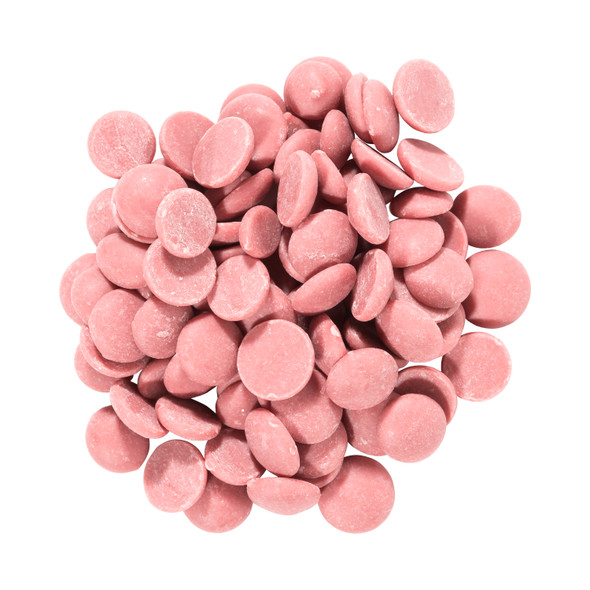
Callebaut Couverture Ruby Chocolate
Callebaut
$18.99Ruby Chocolate Chips - Callebaut RB1 Ruby Callets for Baking & ConfectioneryNatural Color from Ruby CacparentAAT$18.99 -

 $19.99

Buy Baking Chocolate for Cakes, Cookies, Desserts, Confectionery, Patisserie, Molding, and Cooking
OliveNation's selection of top quality baking chocolate includes our superior house brand chocolate products as well as offerings from some of the leading chocolate brands from around the world. We provide the largest range of products possible to accommodate a full range of needs, from master chocolatiers to home bakers and everyone in between. Our professional-quality baking chocolates for commercial use come in a variety of sizes and include wholesale pricing for bulk orders. Whether you are buying for commercial or cottage bakery, institutional, manufacturing, foodservice, or home, our premium quality baking chocolate can help take your final products to the next level. From on-trend ingredients to classic flavors, our bulk chocolates, cocoa powders, and chocolate flavorings are ideal for any bakery, patisserie, chocolatier, restaurant, or home pantry.
Where does chocolate come from?
Cacao (cocoa) trees produce beans that are the base for creating chocolate. Cacao trees are grown in tropical areas, including Mexico, South America, West Africa and the Philippines. Each bean contains a rich nib and a thin shell called a husk. The cacao beans are transformed by a fermentation process and dried before being processed into a variety of cacao, cocoa, and chocolate products.
The history of chocolate in culinary use originates in Meso-America with the Mayans and Aztecs, who used cacao beans as currency. They also believed cacao had magical properties and used the beans to make a hot drink for their sacred rituals. Spanish explorers took the chocolate drink back to Europe, where they sweetened the chocolate with sugar. By the 17th century, this exotic drink became fashionable all over Europe. In 1828, a Dutchman discovered how to make a powdered form of chocolate, known as Dutch cocoa. The first molded chocolate bar was created in 1847 and twenty years later, the Cadbury company began selling chocolate candies in England.
Today chocolate is one of the most popular flavors around the world, and wildly popular in baked goods, molded candy, confections, frozen desserts, creams, sauces, and more. Whether you’re a professional chef, chocolate connoisseur, or home cook, you want to use the right type and form of chocolate in your recipes.
What are the different forms of Chocolate used in Baking?
Cocoa Nibs / Cacao Nibs
Cocoa nibs, also called cacao nibs, are basically crushed and roasted cocoa bean bits; the purest form of cacao. Cocoa nibs are a good source of antioxidants, vitamins, as well as caffeine. Cocoa nibs add delicious chocolate taste as well as texture to dishes. Add them to custom trail mixes, use them as edible garnish, or mix them into shortbread and other cookies.
Cocoa Mass / Chocolate Liquor
When cocoa bean nibs are ground to a fine paste, the grinding process causes the natural cocoa butter to be released from the non-cocoa solids, creating a semi-solid or liquid ingredient used in baking and chocolate-making. This 100% pure, unsweetened chocolate is the base product from which all chocolate products are made. Also known as "chocolate liquor" (because of the liquid cocoa butter content), this pure cacao should not be confused with chocolate liqueurs which are chocolate-flavored alcoholic beverages. True chocolate liquor/cocoa mass contains no alcohol. Chocolatiers and confectioners add sugar, milk, and vanilla cocoa mass to create couverture chocolate.
Cocoa Powder
This powdered ingredient comes in two forms: Natural and Dutch Process. When most of the cocoa butter is removed from chocolate liquor, a dense cake forms. This is then ground into powder containing 10 to 22 percent cocoa butter that is called Natural Cocoa Powder. Dutched, or Dutch Processed, cocoa is cocoa powder treated with an alkalizing agent such as baking soda to make it darker, less bitter, and more soluble in liquids. Dutch-process cocoa powder is alkalized (processed with alkalizing agents such as baking soda), mellowing the flavor, darkening the color, and improving solubility in liquids. Unless a recipe specifies, you can use either type. OliveNation's selection includes both Dutch-processed and natural cocoa powder, as well as high-fat cocoa powder for richer baking. Both Natural cocoa powder and Dutch cocoa are often mixed with milk to make hot beverages and are used in baking and candy making.
Chocolate Chips and Chunks:
There's nothing like a brownie or a cookie with a luscious, melty pop of chocolate inside. From classic-shaped chocolates chips in a variety of sizes, to rough-chopped chunks, these chocolates are great for baking as they hold their shape.
Chocolate Sticks:
Bake to-die-for chocolate croissants and classic pain au chocolat with Cacao Barry's Dark Chocolate Sticks.
Chocolate Blocks / Bricks:
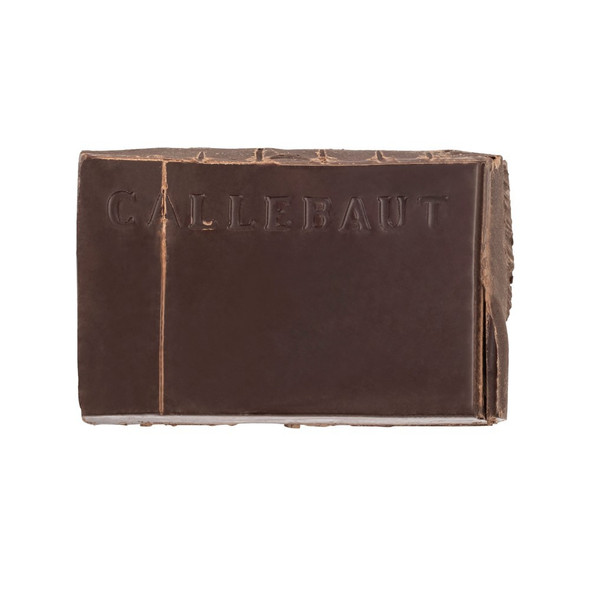
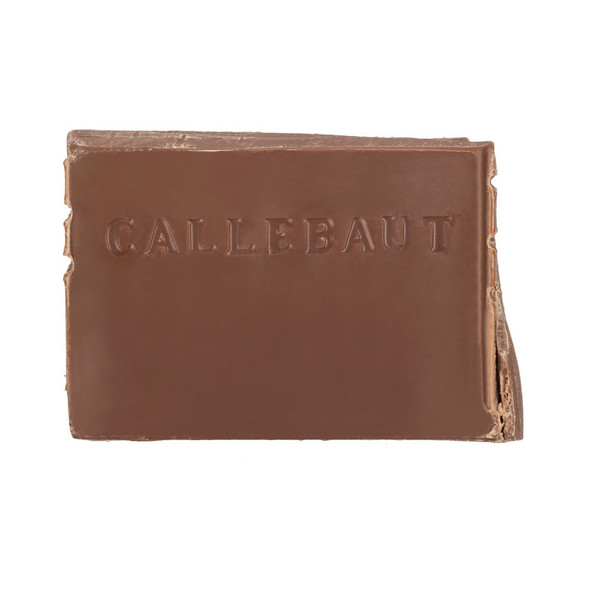
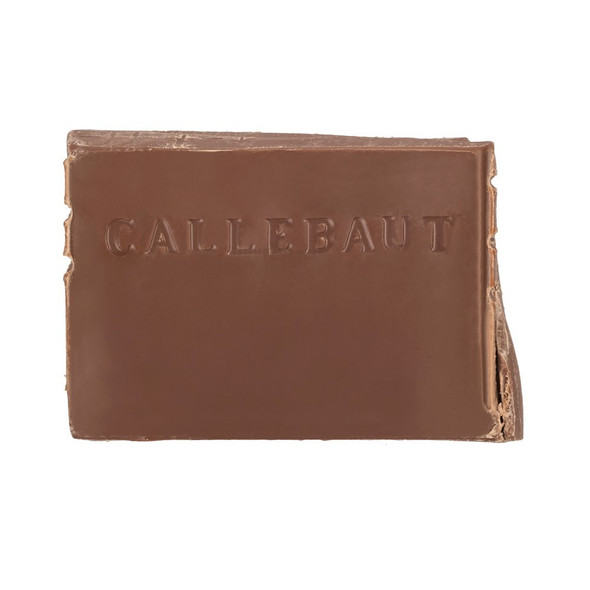
Bakeries and pastry chefs often prefer blocks and larger pieces of chocolate because they use it for different purposes. Larger blocks can be shaved, chunked, flaked, or chopped depending on the shape needed.
Chocolate Baking Extracts:
Chocolate flavored extracts boost the flavor in recipes for baked goods, beverages, desserts, and ice creams. These versatile liquid flavorings include clear options that can add chocolate taste to white or pale colored cakes, creams, and fillings without changing color as cocoa powder would.
Colored Chocolates:
We carry several colors of wafers in both couverture and compound chocolate formats. Colored chocolate is fun for making themed treats, and colorful fruit chocolates can add surprising bursts of flavor as well as classic chocolate texture.
Melting Chocolate:
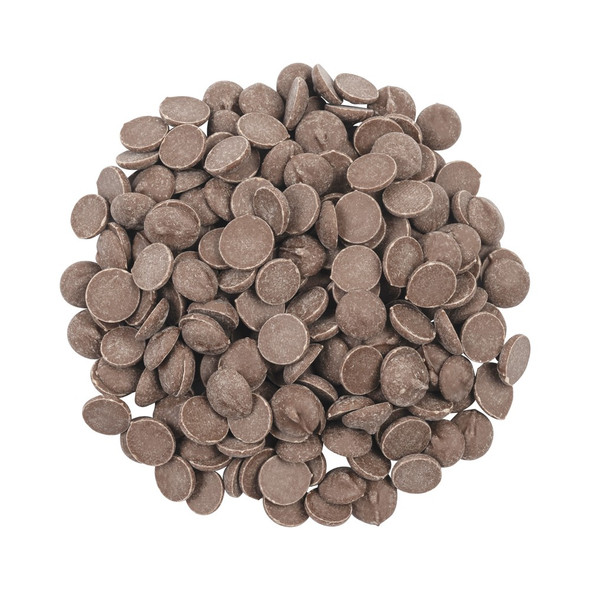
OliveNation stocks a range of melting chocolate. Chocolate wafers are convenient because their small shape melts quickly and evenly. We have easy to melt compound dipping chocolate that's perfect for fruits such as strawberries and orange slices, creating covered pretzels or other snacks, or adding a beautiful finishing drizzle to confections and frosted desserts. Couverture wafers come in a variety of shapes and sizes and are ideal for premium candy making and confectionery. While compound chocolate is fast and easy to work with, pure chocolate couverture requires the extra step of tempering to give final products the perfect snap and shine.
Chocolate Toppings:
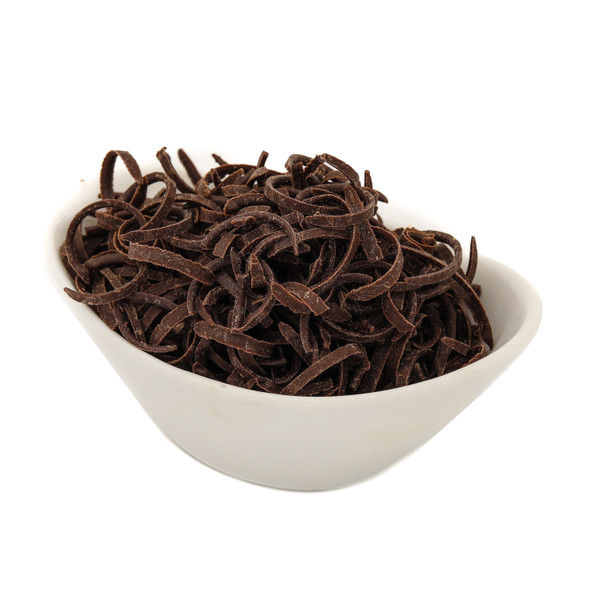
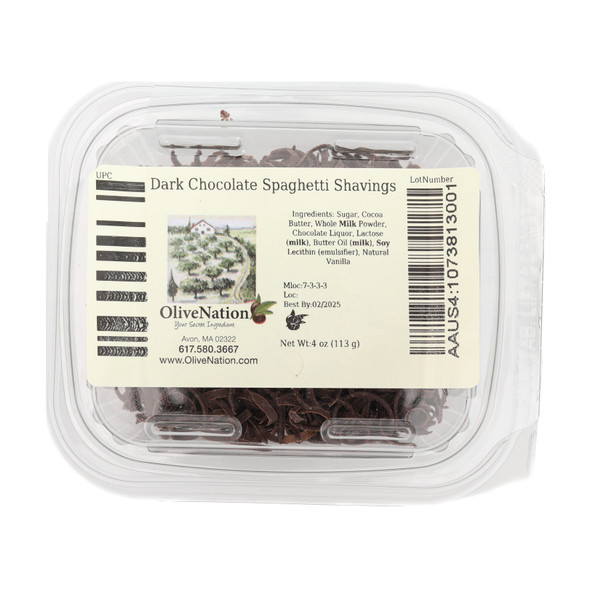
Find chocolate sprinkles and edible decorations including the fantastic Callebaut Vermicelli and elegant Crispearls in a variety of flavors. OliveNation's wide selection includes sprinkles, flakes, curls, shavings, and other shapes that add delicious and decorative finishing touches to pastry, baked goods, ice cream, beverages, and more.
Types of Chocolate:
Dark Chocolate
Dark chocolate is a generic term for chocolate with no added milk solids (sugar can however be added). Dark chocolate can contain anywhere from 35% to 80% cacao, different percentages creating the semisweet, bittersweet, and unsweetened varieties. Dark chocolate can be used in almost any of your recipes, including cakes, brownies, cookies, frosting and enrobing truffles. OliveNation is proud to carry premium brands of dark chocolate for baking such as Valrhona and Callebaut, as well as our own European-style dark couvertures. Choose from different percentages of cacao and various forms of dark chocolate such as blocks, chips, Valrhona Feves, and wafers.
Unsweetened Chocolate
Best for cooking and baking, baking chocolate is also known as bitter or unsweetened chocolate and contains 50 to 58 percent cocoa butter by weight. Made simply of hardened cocoa solids and cocoa butter with no added sugar, baking chocolate has an astringent flavor and is used primarily as an ingredient that allows bakers to control the amount of sweetness desired in recipes.
Bittersweet Chocolate
Bittersweet chocolate is the darkest of all eating chocolates. It must contain at least 35 percent chocolate liquor. Bittersweet chocolate has a more pronounced chocolate taste because of its higher concentration of chocolate liquor and less sugar. Some premium bittersweet chocolate can have a cocoa butter and cocoa solid content of 70 percent or higher. It can be used in cooking and baking, as well as eaten for a treat.
Semi Sweet & Sweet Chocolate
Semi sweet (sometimes called "semisweet"), demi-sweet, and sweet chocolate are similar to bittersweet but have a higher percentage of sugar and thus a sweeter taste. Their required chocolate liquor content is lower, averaging between 15 to 35 percent. These chocolates can also be used for baking and cooking, as well as eaten as candy. Semi sweet chocolate can usually be interchanged with bittersweet chocolate, and are often all referred to simply as dark chocolates.
Milk Chocolate
This is the sweet, mellow chocolate most Americans are familiar with from candy bars and trail mixes. Milk solids are added to sweeten both the flavor profile and mouthfeel. Milk chocolate contains at least 12 percent dry milk solids and 10 percent chocolate liquor along with sugar and added cocoa butter. Milk chocolate is generally not used in baking or cooking, as its delicate flavor is easily overwhelmed by other ingredients. Milk chocolate is the favorite chocolate of most Americans and is preferred over dark or semisweet varieties two to one.
White Chocolate
This variety is not "true" chocolate, since it contains no chocolate solids. However, premium white chocolate offers fabulous creamy flavor from cocoa butter, the fat that gives couverture chocolate its snap and luscious mouthfeel. When cocoa butter is replaced with other, less expensive fats, it's no longer called white chocolate, but is known as confectioner's coating or almond bark (which is not to be confused with actual chocolate bark candy made with almonds). OliveNation has a range of white chocolate couvertures as well as economical white compound chocolates that are easy to color for dipping and drizzles.
The terms cacao and cocoa can be used interchangeably, but generally cocoa is used to describe processed cacao products.
OliveNation Chocolate FAQs
What is the difference between bittersweet and semisweet chocolate?
According to the FDA, there is no difference, providing the chocolate contains at least 35% cocoa solids. Functionally, however, the difference between bittersweet chocolate and semisweet chocolate is the percentage of sugar. Semisweet chocolate (also called demi sweet) generally has a higher percentage of sugar, usually between 40 and 50 percent.
Is White Chocolate real chocolate?
While white chocolate contains no chocolate solids, premium quality white chocolate is made using cocoa butter rather than vegetable fats such as coconut oil. So white chocolate couverture, like all couverture, will require tempering to achieve a crisp snap and glossy finish.
What is the difference between couverture and Compound chocolate?
Compound chocolate contains cocoa solids (cocoa powder), but does not contain cocoa butter. Made using other fats, this easy to melt ingredient does not require tempering but will have a less pronounced shine and snap than properly tempered couvertures.