
Extra Virgin Olive Oil
-
 $84.99
 -
 $121.99
 -
 $12.99

Best Extra Virgin Olive Oil - Estate-Produced for Premium Flavor
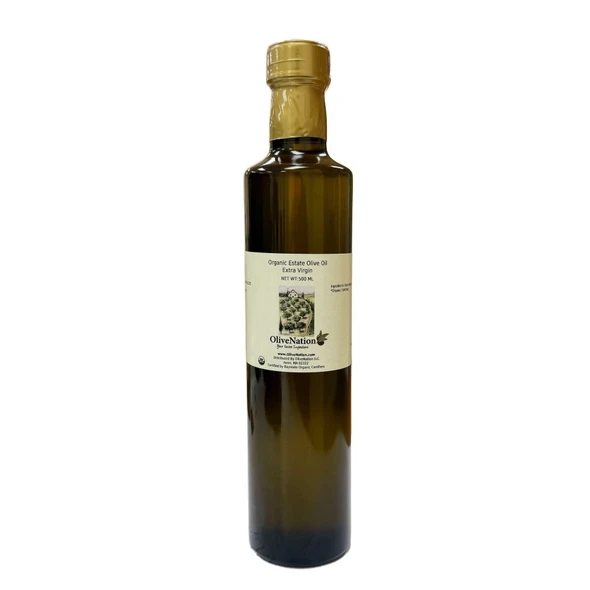
OliveNation olive oil is made in Venarotta (in Italy's Marche region) the traditional, natural, organic way, without any chemicals. Because this single-origin olive oil comes from a single Estate, we have very limited quantities available. What makes Estate-produced olive oils better for cooking? DOP Certificates authenticate the olives and the oils as truly Italian and local, with certified-organic options available. Olives are hand-picked to preserve the flavors, then cold-pressed within 24 hours to create extra-virgin olive oil with low acidity (0.2% - 0.6%). Cook with them or simply drizzle on your pasta, salads, steaks, potatoes and more for fabulous taste that elevates every dish. These premium-quality extra virgin olive oils should never used for frying or sautéing due to their low smoke point.
Extra Virgin Olive Oil: No Processing Required
Most oils require some sort of processing before being consumed. Practically every vegetable oil is refined using steam or solvents before it is ready for consumption. On the other hand, freshly pressed extra virgin olive oil can be consumed immediately. Extra virgin olive oil retains all the natural flavors, vitamins and healthy attributes of ripe olives.
The Difference Between Olive Oils
Most Americans are familiar with olive oil purchased at supermarkets and other mass outlets. For the most part there is very little difference in these oils from year to year. Why? For starters these oils are blended, combining olive oils from different regions and even multiple countries to produce a consistent taste profile. Year to year there is very little difference in these oils because producers know that the average consumer expects the olive oils they purchase to have the same taste profile. On the other hand extra virgin olive oils from different estates and regions have their own distinctive taste profiles. Some might be buttery, others grassy or fruity, while others offer very light and delicate flavor. Estate olive oils are generally much more expensive, but well worth the price since only a small amount is necessary for your favorite vinaigrette or drizzling on meat and seafood.
Selecting the Right Olive Oil for your Menu: Different oils will have different tastes and colors. You may catch a hint of lemon or vanilla in one and earthy notes of grass or nuts in another. One might thrill you with an intense peppery kick, while the next will be smooth and mild. Pair them accordingly. A bold extra-virgin olive oil adds flavor to grilled steak. With a poached whitefish, try a milder, sweeter olive oil. Keep a couple of different authentic Italian olive oils in your pantry to experiment and enjoy. Some of our specially selected single-estate extra virgin olive oils are golden, others have a greenish tint. While it is often thought that deep green-colored extra virgin olive oils are superior to pale yellow-colored ones, some unscrupulous extra virgin olive oil producers have been known to press some of the leaves of the olive trees along with the olives in order to impart a deep green color to their extra virgin olive oils. Truth be known, color really doesn't play as major a role in the quality of extra virgin olive oils as do flavor and aroma.
Olive Oil Rules & Standards
The US is slowly catching up to other nations which have stringent olive oil rules and standards. All too frequently unscrupulous producers and importers have been allowed to deceive consumers into thinking they were buying 100% extra virgin or virgin olive oils when in fact they weren't. In some cases a mixture of soybean and pomace oils (the oil collected from ground pits and olive skins after pressing), have been passed off as quality olive oils. This is why it is important to purchase your olive oils from a quality seller because it is a guarantee that you will always be getting genuine extra virgin olive oil. At OliveNation high standards have always been in place and customers always have the assurance they are getting genuine extra virgin olive oils.
The USDA has established voluntary grade standards for olive and olive-pomace oil. The highest standard is that of EVOO: Extra Virgin Olive Oil, which must contain a certain free fatty acid content and possess no sensory defects. The FDA, on the other hand, has oversight over all safety and labeling standards and import guidelines for all olive oil, in accordance with the Food Safety Modernization Act. While Connecticut was the first in the nation to set quality standards for olive oil, other states have followed suit with state standards, including California, New York, and Oregon.
Did you know that it can be illegal to sell fake olive oils? In Italy, some manufacturers have been caught mixing canola oil and other cheap oils, such as hazelnut, with olive oil in order to be able to sell it at lower prices. This is a dangerous practice because people who are allergic to some of the other oils could get very ill.
While Spain produces 70% of the world's olives, Italy sells 70% of the world's olive oil. It is common knowledge that the bigger Italian olive oil manufacturers will import olive oils from Spain, Egypt, Tunisia, Morocco, Israel, and other countries so they can bottle the olive in Italy which allows them to label it as Made in Italy, Imported from Italy, Bottled in Italy. It's perfectly legal, and while there is a wide variety of truly great Spanish, Moroccan, and Tunisian olive oils, many are also produced cheaply and are not high quality.
To tell real Italian-made olive oil from imported, look at the list of ingredients on the olive oil bottles to see if it states where the olives are from. Usually they are required by the International Olive Oil Council to do so. Another thing to look for is to see if the olive oil has a DOP icon anywhere. The DOP guarantees two things about Italian olive oil: First, that the olives used were produced locally, or are a product of one estate, in the same region where the oil was pressed, and second, that the local authorities sampled the olive oil to ensure that it meets its high standards.
How To Taste and Evaluate Olive Oils
Frequently people will ask why some olive oils are so much more expensive than others. This is a good question. Fine extra virgin olive oils are akin to fine wines. Just as fine wine is evaluated by smell, taste and finally perception, the same is true of quality extra virgin olive oils. When tasting and evaluating, it is always good to have more than one oil on hand, preferably from different regions or even different countries. This will give you a good basis for comparison.
The first step is to smell the olive oil. To do this, place the room temperature oil in a wide mouth glass or glass container. Then gently swirl the olive oil and smell it. Good quality olive oil should give off the aroma of olive, with no musty or rancid odor. Then sense for other aromas that seem apparent, such as grass, almond, herbs, or spicy scents. Remember olive oils from different regions and countries are going to be different. So what is apparent from one area won't necessarily hold true from another area.
Next comes the tasting. Take a small sip, making sure the olive oil stays in the front of your mouth. Observe the texture. Is it thick or thin? Is it smooth or spicy? Take note, then once you have fully tasted it, swallow the oil. What is the after-effect? Smooth, spicy, lingering or quickly diminishing in flavor are some of the characteristics.
Is Olive Oil Acidic or Alkaline?
Most vegetable oils are weak acids. Since they are not soluble in water, their acidity cannot be measured in terms of pH levels. It is usually estimated in percent free acidity. Extra virgin olive oils are known to have less than .8% free fatty acid, and virgin olive oils have acidity between 0.8% to 2%.
Why is Olive Oil Acidity Important?
The initial level of acidity of olive oil is 0. Triglycerides are produced inside the fruit naturally, and fatty acids get released during the production process which increase its acidity level. The acidity of oil has nothing to do with its taste or flavor, but rather with the amount of free fatty acids in it and the amount of processing the fruit has undergone. When looking for nutritious choices, choose oils with a low acidity level.
Tips for Buying Top-Quality Olive Oil
- Read the Label Carefully: Check the label to see the manufacturing and use by dates and avoid buying bottles that say only olive oil because they may contain more fatty acids.
- Choose Olive Oil Labeled Extra Virgin: Buying extra virgin olive oil is a great way to ensure that you get a high-quality product because it usually has the least amount of fatty acids.
- Avoid Buying Oils in Clear Bottles: Exposure to light makes the oil inside the container lose its flavor and aroma. Thus, always buy extra virgin olive oil in opaque tins or dark bottles.
- Buy from Trusted Dealers: The best way to buy good quality olive oil is to get it from a trusted dealer such as OliveNation!
It is important to note that quality extra virgin olive oil should be used within eighteen months of pressing. Why is that so? Unlike fine wine, good olive oil does not improve with age. The health benefits of antioxidant-rich oils can wane if the oils are stored for too long or not properly.
Healthy Properties of Olive Oil
The ancients had it right. Olive oil, first discovered and pressed from olives over 6,000 years ago, has long played an important role in a healthy diet. Olive oil falls into the category of oils which are touted for their monounsaturated fats, which have been shown to have a protective effect on the entire body. Olive oil is made up of 77 percent of this good fat. Recent studies have shown that olive oil can help in the prevention of cardiovascular diseases and has a cleansing effect on the digestive system as well as promoting healthy cell development. It may also offer protection against illnesses such as arthritis and cancer. Research has also shown that olive oil may lower the risk of heart disease since it reduces LDL (bad cholesterol) while leaving HDL (the good cholesterol) intact.
In addition to premium Extra Virgin Olive Oils, OliveNation also offers infused oils for baking, cooking, and finishing dishes.